Smart thermostats have become essential tools for homeowners looking to reduce their energy costs. These devices allow users to manage their home’s heating and cooling systems more efficiently, leading to significant savings on monthly energy bills. By optimizing temperature settings based on usage patterns and outdoor conditions, smart thermostats can help households cut energy consumption and lower expenses.
With the ability to learn from user preferences and make automatic adjustments, smart thermostats ensure that energy is not wasted when no one is home. Features like remote access and energy usage reports further empower users to make informed decisions about their heating and cooling needs. This technology not only improves comfort but also enhances energy efficiency, making it a smart investment for any homeowner.
As energy prices continue to rise, finding effective ways to save money has never been more crucial. Smart thermostats stand out as practical solutions that deliver both convenience and savings. By integrating such a device into their homes, individuals can take control of their energy usage and see tangible results on their bills.
How Smart Thermostats Drive Energy and Cost Savings
Smart thermostats offer a range of features designed to optimize energy usage in homes, leading to significant savings on utility bills. They enhance heating and cooling systems, automate temperature adjustments, and improve overall energy efficiency.
Reducing Heating and Cooling Costs
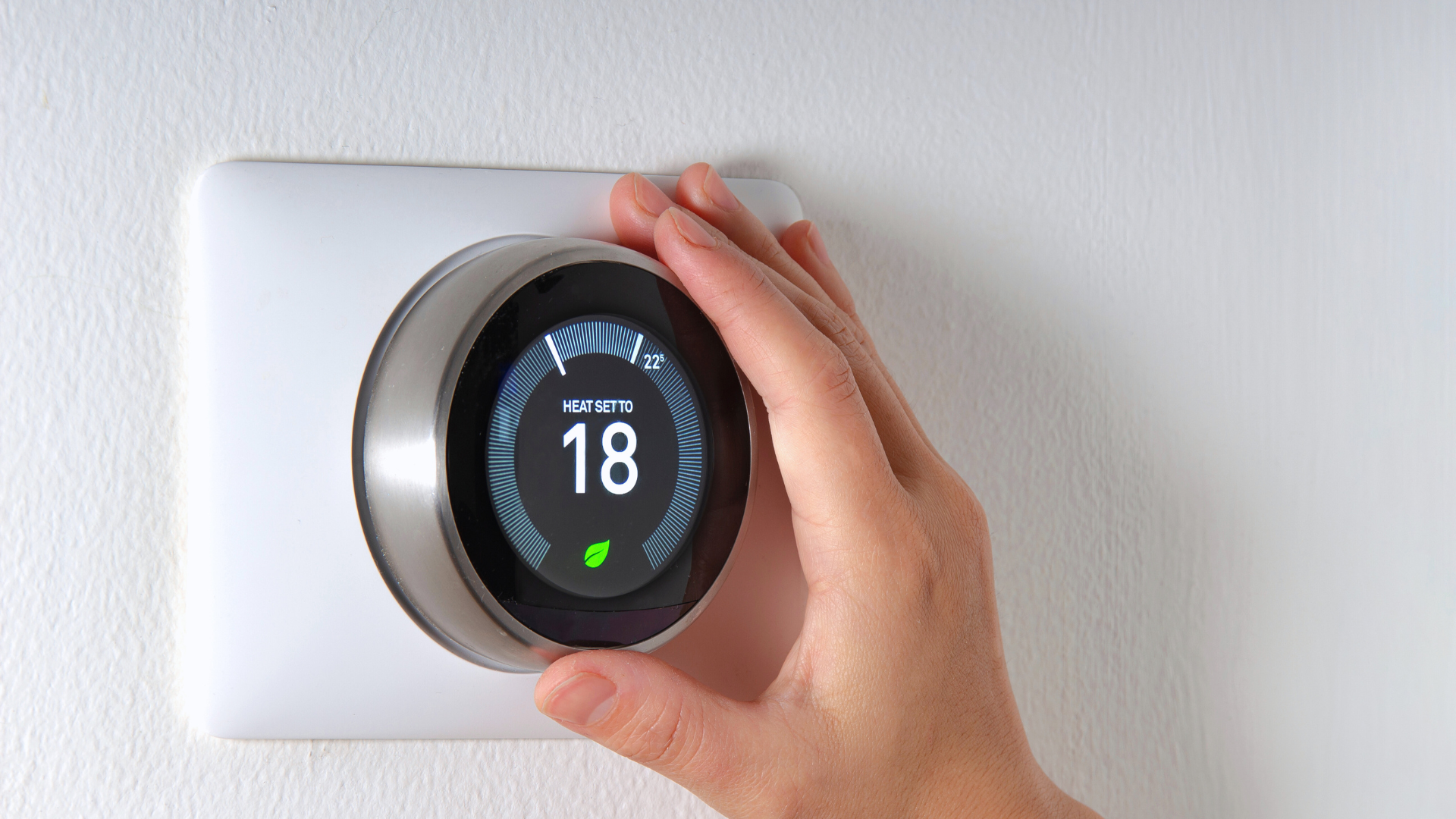
Smart thermostats provide precise control over heating and cooling systems. They can learn household schedules and preferences, adjusting temperatures accordingly. For instance, if a home is unoccupied, the thermostat can lower the heating bill by reducing the temperature or switching to an energy-saving mode during the day.
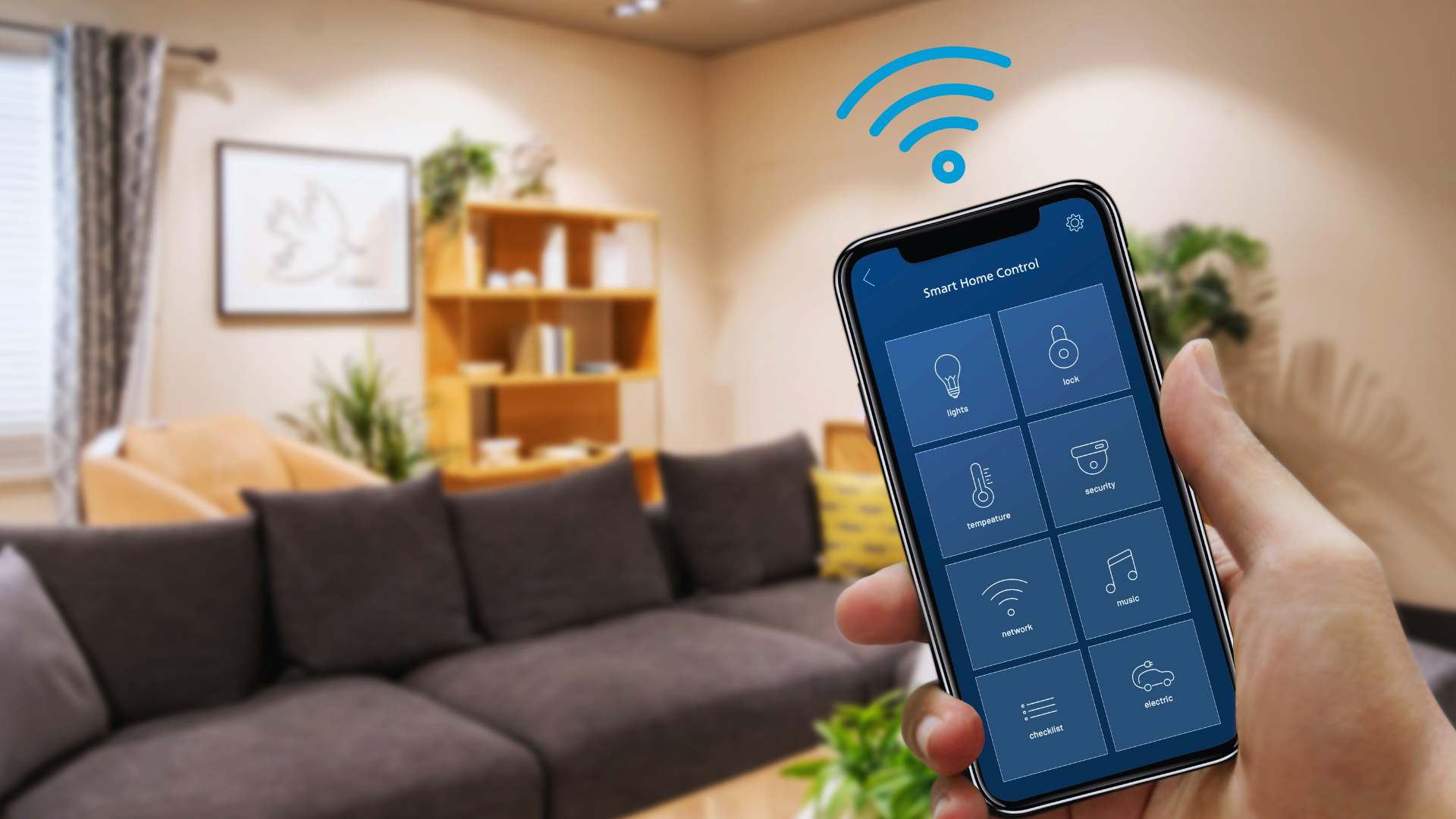
The ability to set different schedules for weekdays and weekends allows for targeted energy savings. Moreover, many smart thermostats include features like remote access through smartphone apps, enabling users to monitor and adjust settings while away. This ensures the heating and cooling systems operate only when necessary, effectively lowering energy costs.
Minimizing Energy Consumption Through Automation
Automation reduces unnecessary energy consumption by creating a more efficient heating and cooling schedule. Smart thermostats can use geofencing technology to detect when residents are approaching home, adjusting the temperature to a comfortable level before arrival.
This automation extends to learning algorithms that adapt settings based on usage patterns. Homes can benefit from automated adjustments during peak energy usage times, further minimizing high energy costs and contributing to lower energy bills. Smart thermostats may also provide reports on energy usage, allowing homeowners to identify areas for further savings.
Improving Energy Efficiency for HVAC Systems
Integrating smart thermostats with HVAC systems enhances energy efficiency. These devices can optimize performance by ensuring that systems operate at peak efficiency based on real-time data. For example, if a cooling system is running inefficiently, smart thermostats provide alerts for maintenance, potentially preventing costly repairs.
Additionally, many models include energy-saving settings that adhere to utility guidelines. Utilizing features like variable speed fans and advanced zoning, smart thermostats can optimize energy usage during both heating and cooling seasons. This improves home comfort while lowering the carbon footprint associated with energy consumption.
By improving HVAC efficiency, smart thermostats not only help reduce energy costs but also extend the lifespan of heating and cooling equipment, providing ongoing financial benefits.
Key Features That Help You Save Money
Smart thermostats come equipped with several key features that significantly contribute to energy savings. By utilizing advanced technologies, they optimize energy usage, enabling users to reduce their bills while maintaining comfort. Key aspects include smart scheduling, remote access, energy reports, and integration with other smart home devices.
Smart Scheduling and Learning Algorithms
Smart scheduling allows users to set temperature preferences for specific times of the day. By creating a heating and cooling schedule tailored to their routine, users minimize unnecessary energy consumption. Additionally, learning algorithms adapt to the household’s habits, adjusting settings automatically over time. For instance, if a household tends to lower the thermostat at night, the device learns this pattern and preemptively makes the adjustment.
Remote Access and Geofencing
Remote access enables users to monitor and control their thermostat from anywhere via smartphone apps. This feature proves beneficial for managing energy use when away from home. Geofencing takes this a step further by using location data from users’ smartphones. When occupants leave a designated area, the thermostat can automatically adjust to an energy-saving mode, ensuring no energy is wasted while the home is unoccupied.
Energy Usage Reports and Insights
Energy usage reports provide valuable insights into consumption habits. These reports highlight periods of high usage and suggest adjustments that can lead to savings. The data can help users identify trends, such as higher bills during specific months, allowing them to make informed decisions about temperature settings. Through regular analysis of these reports, users can optimize their energy consumption effectively.
Integration With Smart Home Devices
Smart thermostats can seamlessly integrate with various smart home devices to enhance energy efficiency. For example, pairing a thermostat with smart lighting systems can synchronize temperature control with lighting usage. Voice control features often allow for quick adjustments through devices like Amazon Echo or Google Home, promoting more interactive and efficient energy management. This integration not only improves comfort but also leads to additional energy savings through automation.
Comparing Smart, Programmable, and Traditional Thermostats
Understanding the differences between traditional, programmable, and smart thermostats is essential for making informed energy-saving decisions. Each type offers unique functionalities that can impact energy consumption and comfort levels.
Traditional Versus Smart Thermostat Functionality
Traditional thermostats function mainly through manual temperature setting. Users adjust the temperature directly, which can lead to inefficient heating and cooling if not monitored regularly.
In contrast, smart thermostats offer advanced features such as Wi-Fi connectivity, learning capabilities, and remote access via smartphones. They automatically adjust settings based on user behavior and preferences, optimizing energy use.
For instance, a smart thermostat can learn when occupants are home or away, adjusting temperatures accordingly to enhance comfort and reduce energy waste.
Energy Star Certification and Efficiency Standards
Energy Star certification signifies that a thermostat meets stringent guidelines for energy efficiency. Traditional thermostats typically lack this certification, which can lead to higher energy bills.
Programmable and smart thermostats often achieve Energy Star status. They provide more precise temperature control, enabling users to create customized schedules. This can significantly lower energy consumption compared to traditional options.
Investing in an Energy Star-certified thermostat can result in savings on energy bills. Users should look for this certification when selecting a new unit to ensure maximum efficiency.
Selecting the Right Thermostat for Your Home
Choosing the correct thermostat requires an assessment of lifestyle and home needs. Traditional thermostats might suffice for users preferring manual control without additional features.
Programmable thermostats are ideal for those with set schedules, allowing for automatic temperature adjustments throughout the day.
Smart thermostats suit tech-savvy users looking for remote access and advanced features. Factors such as home size, insulation, and energy consumption patterns should also guide the selection process for optimal efficiency.
Maximizing Savings and Comfort With Smart Thermostats
Smart thermostats enhance energy efficiency and comfort levels effectively when installed and used correctly. Consideration of installation compatibility and proper usage based on home insulation leads to substantial cost savings.
Installation and Compatibility Considerations
Installation is a crucial first step in maximizing the benefits of smart thermostats. Compatibility with existing heating and cooling systems must be confirmed before purchase. Many smart thermostats work with:
- Central heating
- Heat pumps
- Radiant systems
A professional installation may be recommended for complex systems. Additionally, users should ensure their Wi-Fi connectivity is strong, allowing for remote access and system updates. This setup can extend the thermostat’s functionality, making it more adaptable to user preferences.
Optimizing Usage Based on Home Insulation
The effectiveness of a smart thermostat largely depends on the home’s insulation quality. Proper insulation allows for better temperature retention, reducing the frequency and duration of heating and cooling cycles.
Homeowners can use smart thermostats to:
- Set schedules based on occupancy
- Adjust temperatures when away
- Implement geofencing for real-time adjustments
Regular assessments of insulation quality can lead to further optimizations. Improved insulation results in lower energy demand, directly influencing monthly energy bills positively.
Long-Term Financial and Environmental Benefits
Investing in a smart thermostat can yield significant long-term benefits. The initial cost is often recouped through energy savings over time, with many users reporting reductions of 10-15% on energy bills.
Additionally, smart thermostats contribute to environmental sustainability. By lowering energy consumption, they can help reduce carbon footprints.
Smart thermostats can also provide detailed usage reports and energy-saving tips, further promoting efficient energy use within the home. This data can inform future energy-efficient upgrades and lifestyle changes.